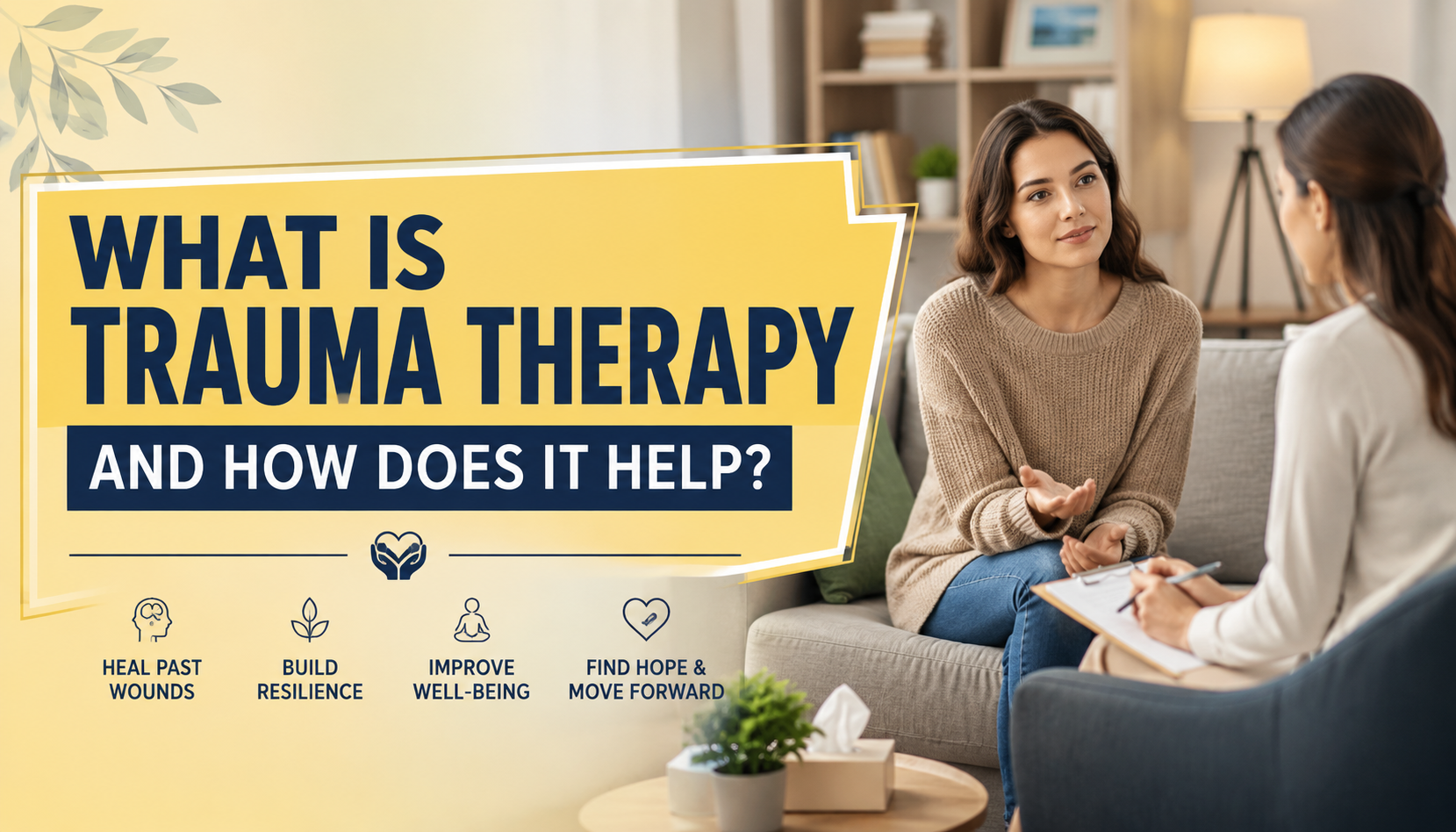
What Is Trauma Therapy and How Does It Help?
Traumatic experiences can have a lasting effect on how a person thinks, feels, behaves, and relates to others. Trauma may result from events such as abuse, accidents, natural disasters, violence, loss, serious illness, or other deeply distressing experiences. While some people recover naturally over time, others continue to experience emotional and physical effects long after the event has ended.
Trauma therapy is a specialized form of mental health treatment designed to help people understand and process the effects of traumatic experiences. It provides a safe environment where individuals can work with a trained mental health professional to develop healthier ways of coping and begin moving forward.
What Is Trauma Therapy?
Trauma therapy refers to therapeutic approaches specifically designed to address the emotional and psychological effects of trauma. Unlike general counseling, trauma-focused treatment considers how a traumatic experience may have changed a person’s sense of safety, relationships, emotions, memories, and responses to stress.
The goal is not simply to forget what happened. Instead, therapy can help individuals process painful memories, reduce distressing symptoms, develop coping skills, and regain a sense of control over their lives.
There are several types of trauma therapy, and the most appropriate approach depends on the person’s experiences, symptoms, goals, and circumstances.
How Does Trauma Affect a Person?
Trauma can affect people differently. Some individuals experience immediate emotional reactions, while others may not notice significant effects until months or years later.
Common effects of trauma may include:
- Anxiety or persistent worry
- Depression or sadness
- Irritability and mood changes
- Difficulty sleeping
- Nightmares or intrusive memories
- Avoiding people, places, or situations
- Feeling constantly alert or unsafe
- Difficulty trusting others
- Trouble concentrating
- Feelings of guilt or shame
- Emotional numbness or detachment
When these reactions interfere with daily life, relationships, work, school, or personal well-being, professional support may be beneficial.
How Does Trauma Therapy Help?
Creates a Safe Space for Healing
One of the most important benefits of trauma therapy is having a safe and supportive environment to talk about difficult experiences. A qualified therapist can provide professional guidance without judgment, allowing individuals to discuss thoughts and emotions that may be difficult to share with family or friends.
Building a trusting therapeutic relationship can also help people gradually develop a stronger sense of safety.
Helps Process Traumatic Memories
Trauma can sometimes leave memories feeling overwhelming, fragmented, or difficult to understand. Therapy can help individuals process these memories at a manageable pace.
Trauma therapy helps people process difficult experiences and move toward healing. Through approaches such as trauma therapy, individuals can learn to understand their reactions, work through distressing emotions, and develop healthier responses to memories and triggers.
Develops Healthy Coping Skills
Trauma can make everyday stress feel more difficult to manage. Therapy can teach practical coping strategies that help individuals regulate emotions, manage anxiety, recognize triggers, and respond to stressful situations more effectively.
These skills may include grounding exercises, relaxation techniques, emotional awareness, breathing strategies, and healthy communication.
Reduces Symptoms
Depending on the individual and type of treatment, trauma therapy may help reduce symptoms associated with traumatic stress. These can include nightmares, anxiety, avoidance, emotional distress, and intrusive thoughts.
Treatment does not necessarily make difficult memories disappear. Instead, it can help memories become less overwhelming and easier to manage.
Builds Confidence and Personal Control
Trauma can sometimes make people feel powerless or disconnected from themselves. Therapy can help individuals recognize their strengths and develop a greater sense of personal control.
As people learn to understand their reactions and establish healthier coping mechanisms, they may become more confident in handling challenges and making decisions.
Common Types of Trauma Therapy
Cognitive Behavioral Therapy
Cognitive behavioral therapy, or CBT, focuses on identifying unhelpful thoughts and behaviors and developing healthier patterns. Trauma-focused CBT may help individuals understand how traumatic experiences influence their thoughts, emotions, and actions.
Eye Movement Desensitization and Reprocessing
Eye Movement Desensitization and Reprocessing, commonly known as EMDR, is a structured therapy approach often used for trauma. It involves recalling aspects of a distressing experience while following specific bilateral stimulation techniques guided by a trained therapist.
Prolonged Exposure Therapy
Prolonged exposure therapy gradually helps individuals confront trauma-related memories, thoughts, or situations that they have been avoiding. The process is structured and conducted with professional support.
Cognitive Processing Therapy
Cognitive processing therapy focuses on identifying and challenging unhelpful beliefs related to a traumatic event. It may help individuals develop a more balanced understanding of what happened and reduce feelings such as guilt or shame.
Who Can Benefit From Trauma Therapy?
Trauma therapy may benefit adults, teenagers, and children who are experiencing ongoing difficulties related to traumatic experiences. It can be helpful for people dealing with a single traumatic event as well as those who have experienced repeated or prolonged trauma.
You do not need to wait until symptoms become severe before seeking support. Speaking with a qualified mental health professional can help determine whether trauma-focused treatment is appropriate for your situation.
What Should You Expect During Trauma Therapy?
The first sessions often involve discussing your concerns, history, symptoms, and goals. A therapist may explain different treatment options and work with you to establish a plan.
Trauma therapy does not require you to discuss everything immediately. A good therapist should respect your pace and help you develop coping skills before addressing particularly difficult material when appropriate.
Treatment length varies. Some people may benefit from a relatively short course of therapy, while others may need longer-term support.
FAQs About Trauma Therapy
Is trauma therapy only for people with PTSD?
No. Trauma therapy can help people experiencing a range of emotional or behavioral difficulties following traumatic experiences. A person does not necessarily need a formal PTSD diagnosis to seek support.
Can trauma therapy make things worse?
Discussing traumatic experiences can sometimes bring up difficult emotions, particularly during certain stages of treatment. Qualified therapists use structured approaches designed to maintain safety and emotional stability. If therapy feels overwhelming, communicating this with your therapist is important.
How long does trauma therapy take?
There is no universal timeline. Treatment duration depends on factors such as the type of trauma, symptoms, personal goals, and the therapy approach being used.
How do I know if I need trauma therapy?
If past experiences continue to affect your emotions, relationships, sleep, confidence, or daily activities, talking with a mental health professional may be worthwhile. They can help you determine whether trauma-focused therapy could be beneficial.
Is trauma therapy effective?
Many evidence-based trauma treatments can help reduce trauma-related symptoms and improve functioning. Results vary from person to person, and finding an appropriately trained therapist can be an important part of successful treatment.
Conclusion
Trauma can affect many areas of life, but experiencing lasting effects does not mean a person has to face them alone. Trauma therapy offers a structured and supportive way to understand difficult experiences, develop healthier coping skills, process painful memories, and rebuild a sense of safety and control.
If trauma continues to affect your everyday life, relationships, or emotional well-being, consider speaking with a qualified mental health professional. Seeking support is not a sign of weakness. It can be an important step toward healing and a healthier future.