
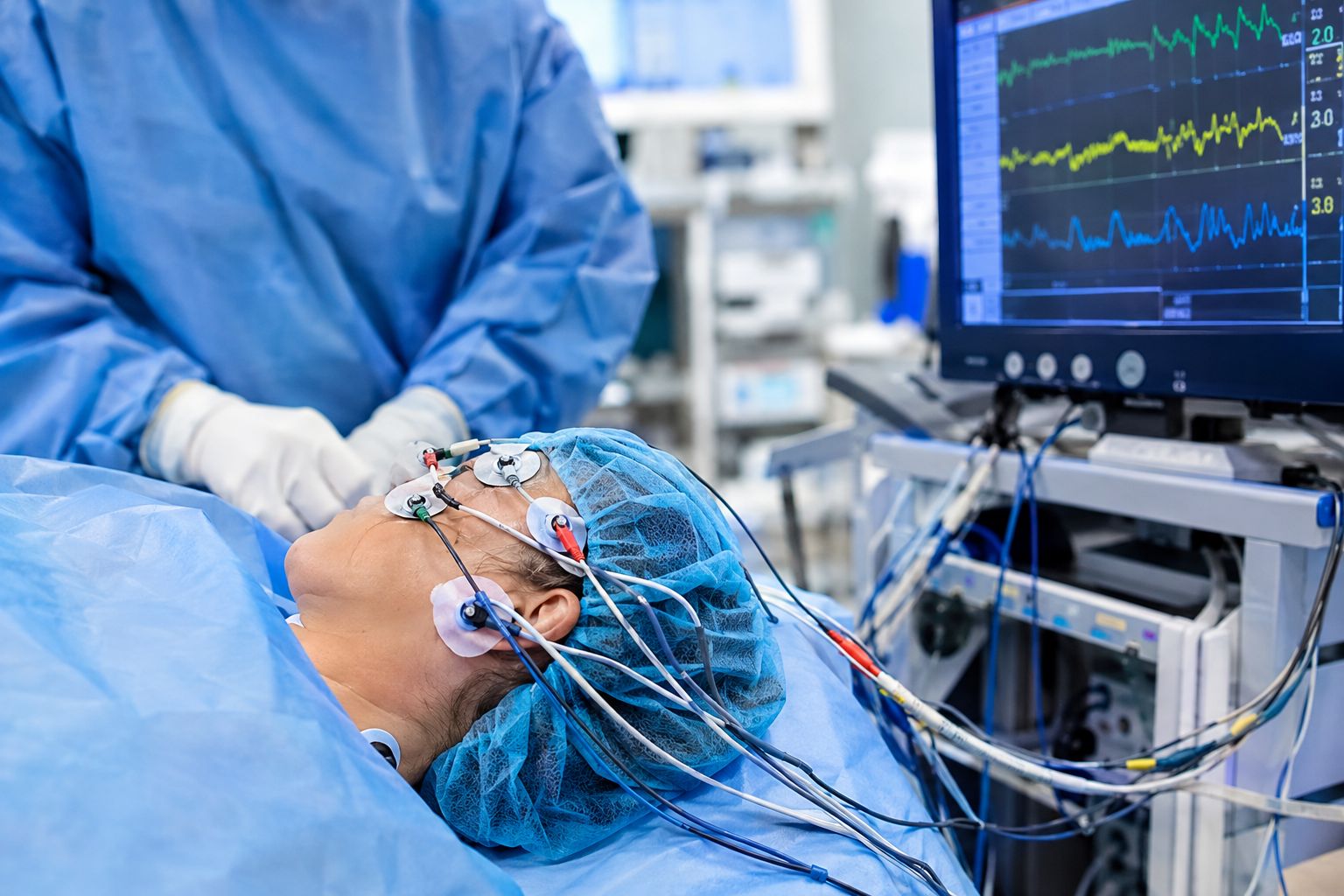
Intraoperative Neuromonitoring: Electrode Requirements in the OR
What Is Intraoperative Neuromonitoring?
Intraoperative neuromonitoring, often abbreviated as IONM, involves using specialized equipment to assess the functional status of neural structures during selected surgical procedures. It may be used during spine surgery, brain surgery, vascular procedures, and operations involving structures where neurological function could be affected.
Depending on the procedure and clinical objectives, monitoring may include somatosensory evoked potentials, motor evoked potentials, electromyography, and other techniques. Each method has different signal requirements and may use different electrode configurations.
For example, recording electrodes may capture electrical activity from muscles, nerves, or the scalp. Stimulation electrodes deliver controlled electrical impulses to activate a response that can be measured elsewhere. Some procedures require multiple electrode types operating together, making correct selection and placement especially important.
The purpose of monitoring is not simply to collect electrical signals. The signals must be sufficiently reliable to help qualified clinicians interpret changes during surgery. Poor electrode contact, excessive electrical interference, or inconsistent placement can complicate signal interpretation and may contribute to technical problems.
Why Electrode Selection Matters in the Operating Room
The operating room presents conditions that differ considerably from a standard diagnostic testing environment. Patients may be positioned prone, supine, or laterally, and their bodies may remain in the same position for extended periods. Surgical preparation products, skin moisture, temperature changes, and the placement of sterile drapes can also affect electrode performance.
Selecting appropriate electrodes helps support consistent contact and dependable signal acquisition. However, no single electrode is suitable for every intraoperative neuromonitoring application. Requirements vary according to the electrode’s intended function, the anatomical site, the monitoring modality, and the equipment manufacturer’s instructions.
Important considerations include:
- Electrical performance: Electrodes should provide suitable electrical contact for the intended recording or stimulation application.
- Adhesion and retention: Adhesive electrodes should remain securely positioned for the duration of their intended use.
- Material compatibility: Electrode materials and adhesives should be appropriate for the patient’s skin and the clinical environment.
- Connector compatibility: Leads, connectors, and electrode interfaces must work with the intended monitoring equipment.
- Application requirements: Electrode dimensions, shape, and flexibility should suit the intended anatomical location.
- Safety and documentation: Product specifications, instructions for use, and applicable regulatory requirements should be reviewed before clinical use.
These characteristics should be evaluated together rather than treating any single specification as a guarantee of overall performance.
Key Electrode Requirements for Intraoperative Neuromonitoring
Stable Impedance and Reliable Signal Quality
Impedance is an important consideration when evaluating electrode performance. At the electrode-skin interface, electrical impedance can influence how effectively signals are recorded or electrical stimulation is delivered. High or unstable contact impedance may contribute to noise, artifacts, or technical difficulties, depending on the monitoring system and application.
For recording applications, consistent contact helps support interpretable waveforms. For stimulation applications, electrode performance must be appropriate for the intended delivery of electrical current.
Clinical teams typically assess contact quality according to the monitoring system’s requirements. Skin preparation, electrode placement, the condition of the adhesive interface, and the electrode’s materials can all affect results.
It is important to recognize that low impedance alone does not establish that an electrode is suitable for every procedure. Signal quality also depends on electrode location, the patient’s physiological condition, the monitoring configuration, electrical interference, and equipment settings.
Secure Adhesion Under Surgical Drapes
Adhesion is especially important when electrodes are applied before the surgical field is covered. Once the patient has been positioned and draped, access to some electrode sites may become difficult.
An electrode that lifts, shifts, or loses contact can interrupt monitoring or require troubleshooting during a procedure. Appropriate adhesive performance helps reduce the risk of displacement, although it cannot eliminate every cause of contact failure.
When evaluating adhesive electrodes, teams should consider:
- Adhesion appropriate for the intended application and expected wear time.
- Compatibility with the skin preparation products used in the procedure.
- Resistance to unintended movement during patient positioning and routine handling.
- Flexibility that allows the electrode to conform to the intended site.
- Removal characteristics that minimize unnecessary skin trauma.
- Suitability for the patient’s skin condition and the product’s specified use.
Adhesion must be balanced with skin compatibility. Stronger adhesive is not automatically better, particularly when electrodes are used on vulnerable skin or in patients who may be more susceptible to skin injury.
Appropriate Electrode Materials
Electrode materials influence electrical performance, flexibility, durability, and compatibility with the intended monitoring application. Silver/silver chloride, commonly written as Ag/AgCl, is widely used in biopotential recording electrodes because of its established electrochemical characteristics.
Other electrode designs and materials may be appropriate depending on whether the device is intended for recording, stimulation, needle-based applications, or another specialized use. Surface electrodes, subdermal needle electrodes, and other electrode formats should not be treated as interchangeable.
The choice should reflect the clinical application, the monitoring equipment’s specifications, and the product’s validated intended use. Manufacturing consistency is also important because variations in electrode construction, conductive components, adhesives, and connectors may affect performance.
Flexibility and Secure Placement
Electrodes must accommodate the anatomical site without creating unnecessary pressure or restricting appropriate positioning. Flexible backing materials can help surface electrodes conform to the skin, while a suitable electrode design can support stable contact around body contours.
The right design depends on the application. A surface electrode used for muscle recording has different requirements from a needle electrode used to assess activity near a specific nerve or muscle.
Placement accuracy remains essential regardless of electrode type. Clinicians must follow the relevant procedure protocols and manufacturer instructions to ensure that electrodes are positioned appropriately and that leads are routed safely.
Compatibility With Monitoring Equipment
Electrodes are only one part of the monitoring system. Their connectors, lead configurations, electrical characteristics, and intended functions must be compatible with the equipment in use.
Before a procedure, teams should verify the correct electrode type, confirm connections, inspect leads for visible damage, and perform the required system checks. Products should not be substituted simply because their connectors appear similar.
Compatibility also includes the monitoring modality. An electrode intended for routine surface recording may not be appropriate for a stimulation application with different electrical requirements. Reviewing the device specifications helps reduce avoidable setup problems.
Recording Electrodes Versus Stimulation Electrodes
Understanding the difference between recording and stimulation electrodes is essential when selecting products for intraoperative neuromonitoring.
Recording electrodes detect electrical activity generated by the nervous system or muscles. Their performance depends on appropriate placement, stable electrical contact, and the ability to capture signals with minimal interference.
Stimulation electrodes deliver electrical impulses to activate a nerve or neural pathway. Their design must be suitable for the intended stimulation method, anatomical location, and equipment settings.
Some monitoring applications use surface electrodes, while others require subdermal needle electrodes or specialized devices. The appropriate choice depends on the clinical procedure and the monitoring protocol. Professional guidance emphasizes that electrode selection, secure placement, electrical checks, and safe handling all contribute to reliable monitoring.
e-acn.org
+1
For this reason, procurement teams should review each product’s intended use rather than assuming that electrodes designed for one monitoring method will perform equally well in another.
Maintaining Electrode Performance During Long Surgical Procedures
Long procedures create additional challenges because electrodes must remain functional while the patient is positioned, the surgical team works around the operating table, and monitoring continues over time.
Even a well-selected electrode may experience problems if its leads become tangled, its contact changes, or it is exposed to moisture or mechanical stress. Regular checks and appropriate cable management help identify technical problems before they interfere with signal interpretation.
Several practices can help support consistent performance:
- Check impedance before monitoring begins. Confirm that readings meet the requirements of the specific monitoring system and protocol.
- Secure electrode leads appropriately. Arrange cables to reduce tension, accidental pulling, and interference with other operating room equipment.
- Confirm placement after repositioning. Patient movement can dislodge electrodes or alter contact, making reassessment important.
- Monitor signal quality throughout the procedure. Changes in recordings should be evaluated by qualified personnel rather than automatically attributed to electrode failure.
- Follow infection prevention procedures. Use appropriate sterile products when required and follow institutional policies for electrode handling and disposal.
The clinical team must also distinguish technical artifacts from physiological changes. A change in an electrical response may have several causes, so troubleshooting should follow established clinical protocols. Electrode performance is one part of a broader monitoring process that includes anesthesia, patient physiology, equipment settings, and communication among team members.
NCBI Bookshelf
+1
Sterility, Skin Safety, and Operating Room Requirements
Patient safety extends beyond obtaining a clear electrical signal. Electrodes must be appropriate for the intended application and handled according to their instructions for use.
Products that contact the skin should have suitable material and adhesive characteristics for the expected duration of use. Electrodes that penetrate the skin introduce additional considerations, including insertion technique, infection prevention, securement, and sharps safety.
Before choosing a product, surgical facilities should verify whether it is supplied sterile or nonsterile, whether it is intended for single use or reuse, and what preparation and disposal procedures apply.
Teams should also consider the risk of skin irritation, pressure injury, and burns associated with particular electrode configurations and electrical equipment. Proper placement, inspection, and adherence to equipment instructions are essential.
PMC
+1
These precautions are particularly important when monitoring patients with fragile skin, when electrodes must remain in place for extended periods, or when access to the electrode sites will be limited after draping.
Evaluating Electrode Manufacturers and Suppliers
Choosing an appropriate electrode supplier requires more than comparing unit prices. Healthcare facilities need products with clear specifications, consistent manufacturing quality, and documentation that supports their intended clinical use.
A structured supplier evaluation can help purchasing teams identify suitable options.
Review Technical Specifications
Request information about electrode materials, connector types, dimensions, adhesive composition where applicable, and electrical characteristics. Confirm that the specifications align with the monitoring equipment and procedure requirements.
Assess Quality and Manufacturing Consistency
Consistent production helps reduce unwanted variation between electrode batches. Ask about quality management practices, inspection procedures, traceability, and the documentation available for the specific product.
Confirm Regulatory and Product Documentation
Verify applicable regulatory status, labeling, instructions for use, and any relevant safety or performance documentation. Requirements vary by jurisdiction and device classification, so suppliers should provide documentation appropriate to the market and intended application.
Consider Supply Reliability
Operating rooms need dependable access to the correct consumables. Procurement teams may consider product availability, lead times, packaging, storage requirements, and the supplier’s ability to support ongoing demand.
Organizations such as R & D Medical Products may be relevant when researching medical electrode products and related supplies. Buyers should confirm the availability, technical specifications, and intended use of any particular product directly with the supplier before making purchasing decisions.
A careful review helps facilities balance product performance, patient safety, operational needs, and total cost.
How to Build a Practical Electrode Selection Checklist
A standardized checklist can help surgical facilities evaluate products consistently across departments and procedures.
Before approving an electrode for use, consider the following questions:
- Is the electrode designed for the required recording or stimulation application?
- Is it compatible with the monitoring equipment and connector configuration?
- Does its electrical performance meet the relevant system requirements?
- Can it be secured appropriately for the anticipated procedure duration?
- Are the materials suitable for the intended contact site?
- Are sterility, packaging, storage, and disposal requirements clearly documented?
- Does the product have the required technical and regulatory documentation?
- Is there a reliable process for ordering and replenishing supplies?
- Have clinical and technical staff reviewed the product for the intended use?
- Are there clear procedures for placement checks and troubleshooting?
The answers should be documented as part of the facility’s product evaluation process. Where a product substitution is considered, the team should verify compatibility and suitability rather than relying solely on similarities in appearance or connector design.
The Role of Electrode Quality in Reliable Neuromonitoring
Intraoperative neuromonitoring depends on coordination between trained clinical professionals, appropriate monitoring equipment, and correctly selected electrodes. Stable electrical contact, suitable materials, secure placement, and compatibility with the monitoring system all contribute to obtaining useful recordings during surgery.
However, no electrode characteristic independently guarantees reliable monitoring or prevents neurological injury. Clinical outcomes depend on multiple factors, including patient physiology, the surgical procedure, monitoring technique, equipment performance, and timely interpretation of changes.
For healthcare facilities, the most effective approach is to evaluate electrodes according to their intended use, follow established clinical protocols, and work with suppliers who can provide clear product information and consistent quality.
By prioritizing these considerations, surgical teams can make more informed decisions about electrode selection and support a dependable monitoring process throughout the operation.
Frequently Asked Questions
What types of electrodes are used in intraoperative neuromonitoring?
Common options include surface electrodes, subdermal needle electrodes, and specialized electrodes designed for particular recording or stimulation applications. The appropriate type depends on the monitoring modality, anatomical location, clinical protocol, and equipment requirements.
Why is impedance important in intraoperative neuromonitoring?
Impedance helps clinicians assess the electrical contact between an electrode and its interface. Unsuitable or unstable impedance can contribute to noise and recording difficulties. Acceptable values depend on the electrode type, monitoring system, and clinical protocol.
How can electrodes remain secure under surgical drapes?
Appropriate electrode selection, correct skin preparation, secure placement, and careful cable management help reduce displacement. The chosen adhesive or securement method must be compatible with the intended use and the patient’s skin.
Are surface electrodes and needle electrodes interchangeable?
No. They differ in design, placement, and intended applications. The selection should follow the monitoring protocol, equipment instructions, and clinical requirements for the procedure.
What should hospitals consider when purchasing neuromonitoring electrodes?
Hospitals should assess electrical characteristics, material compatibility, securement, connector configuration, sterility, product documentation, manufacturing consistency, and supply reliability. Clinical and technical personnel should confirm that the product is appropriate for its intended application.
How often should electrode impedance be checked during surgery?
Impedance should be checked according to the monitoring system’s instructions and the facility’s clinical protocol. Initial checks help establish suitable contact, while additional checks may be appropriate when signal quality changes, electrodes are disturbed, or troubleshooting is required.
What role does R & D Medical Products play in electrode selection?
R & D Medical Products is a name that healthcare buyers may encounter when researching medical products. Buyers should contact the supplier directly to confirm whether specific electrode products are available and obtain their technical specifications, intended-use information, and relevant documentation.
Can electrode quality alone prevent neurological injury during surgery?
No. Appropriate electrodes support signal acquisition, but they cannot independently prevent neurological injury. Patient safety also depends on surgical technique, patient physiology, monitoring expertise, equipment, and timely communication when significant signal changes occur.