A Manufacturer’s Guide to R & D Medical Products
Understanding the Role of Research and Development in Medical Manufacturing
Research and development in medical manufacturing focuses on transforming clinical needs into functional, compliant products. This process blends engineering, materials science, regulatory strategy, and manufacturing expertise.
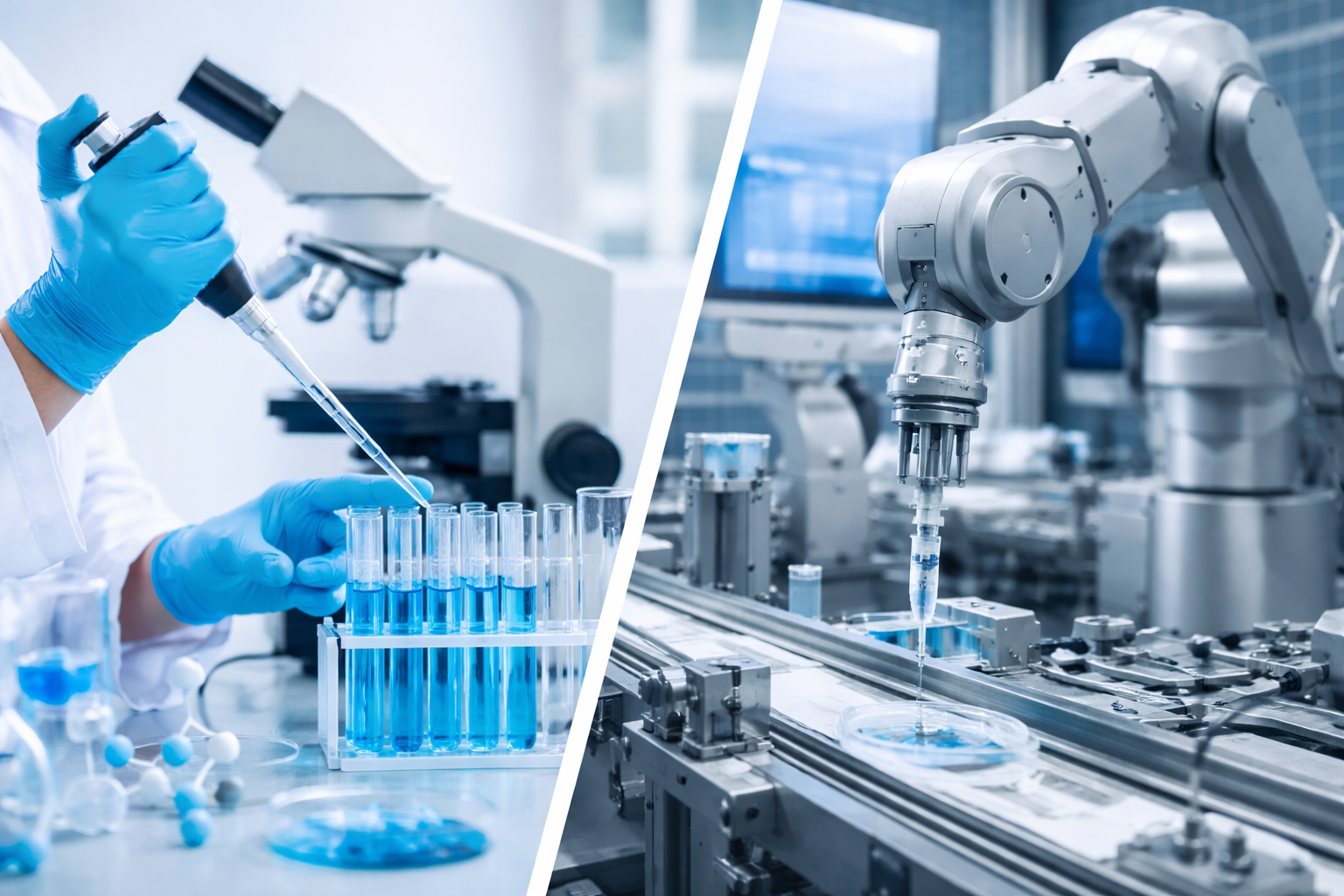
Medical R and D often begins with identifying unmet clinical needs or improving existing solutions. Engineers and scientists then develop prototypes, evaluate materials, and conduct performance testing. Throughout this process, documentation and traceability are essential, as regulatory bodies require clear evidence of design controls, risk management, and validation.
Unlike other industries, medical product R and D must account for patient safety at every stage. Even minor design changes can influence biocompatibility, sterility, or usability. As a result, manufacturers rely on structured development frameworks that emphasize testing, iteration, and verification.
Key Stages in Developing R & D Medical Products
A successful R and D strategy follows a disciplined path that minimizes risk while accelerating time to market.
Concept and Feasibility
The initial stage focuses on defining the product’s purpose and assessing feasibility. Manufacturers evaluate clinical requirements, market demand, and technical constraints. Early feasibility studies help determine whether a concept can be manufactured consistently and safely.
Design and Engineering
Once feasibility is confirmed, detailed design begins. This includes material selection, component geometry, and performance specifications. Engineering teams create prototypes to test form, fit, and function. Design reviews ensure alignment with regulatory standards and intended use.
Verification and Validation
Verification confirms that the product meets design inputs, while validation demonstrates that it fulfills user needs. These activities are central to regulatory compliance and often involve laboratory testing, simulated use studies, and clinical feedback.
Process Development and Scaling
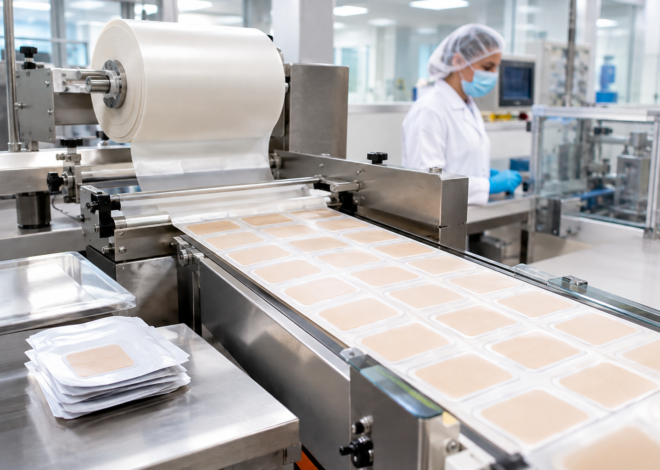
As designs stabilize, manufacturers develop repeatable production processes. Tooling, automation, and quality controls are refined to support scale without compromising performance. This phase bridges R and D with full manufacturing operations.
Regulatory Considerations for Medical Product R and D
Compliance is a defining characteristic of medical manufacturing. Regulatory agencies such as the FDA and international standards organizations require rigorous documentation throughout the R and D lifecycle.
Manufacturers must implement design control systems that track changes, risks, and test results. Risk management processes identify potential hazards and outline mitigation strategies. Quality management systems aligned with ISO standards provide the structure needed to maintain consistency and accountability.
Early integration of regulatory expertise into R and D reduces delays and rework. When compliance is considered from the start, manufacturers can move through approvals more efficiently and with greater confidence.
Materials and Innovation in R & D Medical Products
Material selection is a cornerstone of medical product innovation. Advances in polymers, elastomers, and composites enable products that are lighter, stronger, and more biocompatible than ever before.
Research driven manufacturers explore how materials interact with the human body, sterilization methods, and environmental conditions. They also consider sustainability, cost efficiency, and supply chain reliability.
Innovation in materials often leads to improved patient outcomes and enhanced manufacturing efficiency. By investing in material science research, manufacturers can differentiate their products and respond to evolving clinical needs.
Collaboration Between Manufacturers and OEM Partners
Many medical products are developed through close collaboration between manufacturers and original equipment manufacturers. This partnership model allows OEMs to leverage specialized R and D capabilities without building them internally.
Effective collaboration depends on transparent communication, shared goals, and aligned timelines. Manufacturers with strong R and D infrastructures can support OEM partners from early concept through commercialization.
Thanks to a commitment to research and responsive scaling, R & D Medical Products remains a preferred partner for emerging product platforms and OEM development.
This type of collaboration accelerates innovation while maintaining the quality and compliance required in medical markets.
Scaling R and D Into Full Production
One of the greatest challenges in medical manufacturing is transitioning from R and D to full scale production. Processes that work in small batches may require refinement to ensure consistency at higher volumes.
Manufacturers address this challenge by designing for manufacturability early in the R and D phase. Process validation, automation, and statistical controls help ensure that scaled production meets the same standards as initial prototypes.
Responsive scaling also allows manufacturers to adapt to changing demand without sacrificing quality. This flexibility is especially valuable in healthcare markets where needs can shift rapidly.
Choosing the Right Partner for R & D Medical Products
Selecting a manufacturing partner with strong R and D capabilities can significantly impact product success. Ideal partners combine technical expertise, regulatory knowledge, and scalable production resources.
Manufacturers should look for partners who emphasize collaboration, transparency, and continuous improvement. Experience across multiple medical applications often indicates a deeper understanding of industry challenges and best practices.
When evaluating partners, consider their track record in innovation, quality systems, and ability to support products throughout their lifecycle.
The Future of R and D in Medical Manufacturing
The future of medical manufacturing will be shaped by digital tools, advanced materials, and data driven decision making. Simulation, automation, and analytics are increasingly integrated into R and D workflows, reducing development time and improving outcomes.
As healthcare becomes more personalized, manufacturers will need agile R and D processes that can adapt to smaller batch sizes and customized solutions. Those who invest in research and collaboration will be best positioned to meet these demands.
By focusing on innovation, compliance, and scalability, manufacturers can ensure that their R & D Medical Products continue to support safer and more effective healthcare solutions.
Frequently Asked Questions
What are R & D Medical Products?
R & D Medical Products are medical devices or components developed through structured research and development processes that emphasize innovation, safety, and regulatory compliance.
Why is R and D important in medical manufacturing?
R and D ensures that medical products meet clinical needs, comply with regulations, and perform reliably. It reduces risk and supports long term product success.
How long does medical product R and D take?
Timelines vary depending on complexity, regulatory requirements, and testing needs. Development can range from several months to multiple years.
What role do regulations play in R and D?
Regulations guide design controls, risk management, and validation activities. Compliance is essential for market approval and patient safety.
Can manufacturers scale products developed in R and D?
Yes, with proper process development and validation, products designed in R and D can be scaled efficiently for full production.