A Manufacturer’s Guide to Hypochlorous Acid Manufacturers
Understanding Hypochlorous Acid
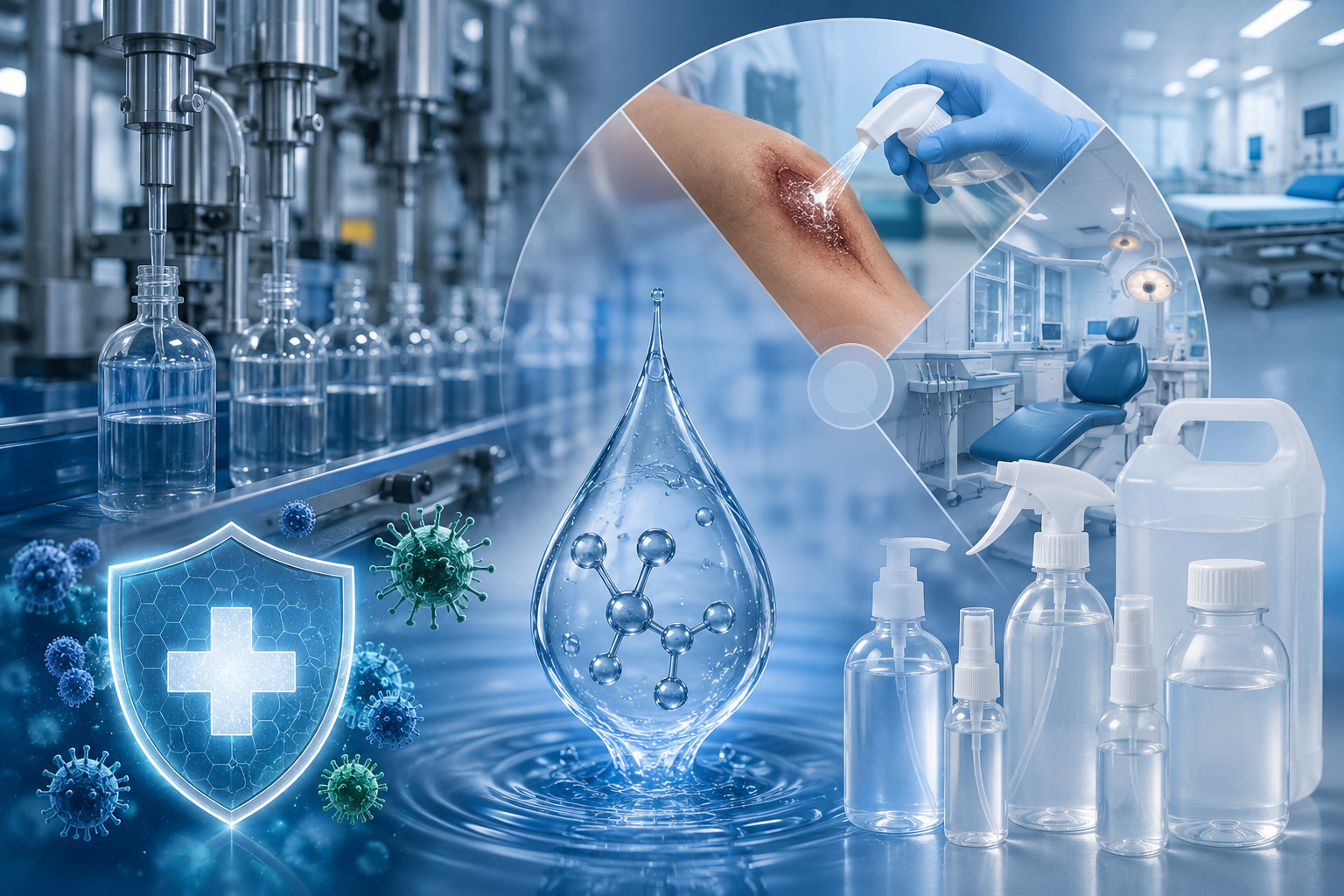
Hypochlorous acid is a naturally occurring molecule produced by white blood cells as part of the body’s immune response. In commercial and medical applications, HOCl is manufactured through electrochemical activation of saltwater solutions. The resulting product is highly effective against bacteria, viruses, fungi, and biofilms while remaining non toxic and skin friendly when properly formulated.
Because of these characteristics, hypochlorous acid is widely used in:
- Wound care products
- Surface disinfectants
- Medical device sanitation
- Eye care solutions
- Dental rinses
- Veterinary treatments
- Food processing sanitation
- Skincare formulations
Its versatility has created rising demand for manufacturers capable of producing stable, high purity solutions at scale.
Why Manufacturing Quality Matters
Not all hypochlorous acid solutions are created equally. The effectiveness of HOCl depends heavily on production methods, pH control, concentration accuracy, purity, and packaging stability.
High quality manufacturing ensures:
- Consistent antimicrobial performance
- Longer shelf life
- Safe medical application
- Regulatory compliance
- Reduced contamination risk
- Product traceability
In healthcare settings, inconsistent formulations can compromise sanitation procedures or clinical outcomes. This is why healthcare providers and medtech companies carefully evaluate manufacturing standards before selecting a supplier.
The Manufacturing Process Behind HOCl
Most hypochlorous acid production relies on electrolysis technology. During this process, water and salt pass through an electrolytic chamber where an electrical current creates hypochlorous acid.
Several factors influence the quality of the final product:
Water Purity
Manufacturers often use highly purified or deionized water to reduce impurities and maintain stability. Water quality directly affects the effectiveness and shelf life of the solution.
Electrolysis Technology
Advanced electrochemical systems allow manufacturers to carefully control oxidation reduction potential, pH levels, and chlorine concentration. Precision technology is essential for medical grade applications.
Stabilization Methods
One of the biggest challenges in HOCl manufacturing is maintaining product stability over time. Experienced manufacturers invest in packaging innovations, storage systems, and formulation techniques that preserve potency.
Batch Testing
Reliable manufacturers conduct rigorous quality testing throughout production. Common tests include:
- pH verification
- Concentration analysis
- Microbial efficacy testing
- Shelf life evaluation
- Purity screening
These procedures help ensure every batch meets medical and commercial standards.
What to Look for in Hypochlorous Acid Manufacturers
Choosing the right manufacturing partner can impact product quality, regulatory approval, and overall business growth. Buyers should evaluate several critical factors before entering a supply agreement.
Regulatory Compliance
Manufacturers serving healthcare industries must comply with strict standards and certifications. Depending on the intended use, companies may require:
- FDA registration
- EPA compliance
- ISO certifications
- GMP manufacturing standards
- Medical device production capabilities
Regulatory readiness is especially important for businesses entering clinical or international markets.
Scalability
A manufacturer may produce excellent small batch solutions but struggle to meet large scale demand. Businesses should verify that suppliers can scale production efficiently without sacrificing consistency.
Scalable operations often include:
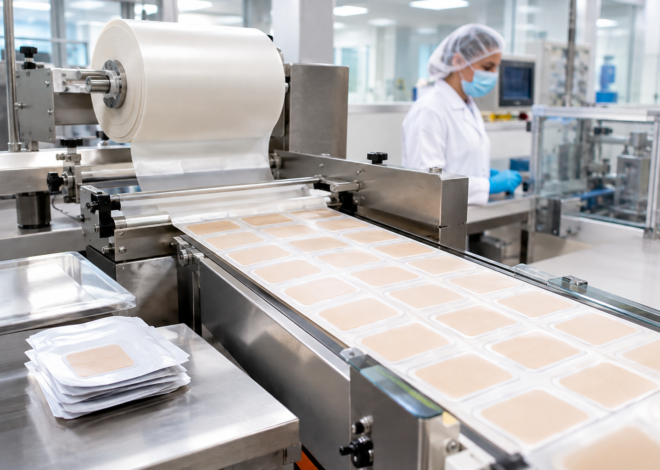
- Automated filling systems
- High volume electrolysis equipment
- Robust logistics infrastructure
- Flexible packaging capabilities
- Reliable supply chain management
As product demand increases, scalability becomes essential for uninterrupted distribution.
Research and Development Capabilities
Innovation plays a major role in hypochlorous acid manufacturing. Manufacturers with dedicated research teams can help clients develop customized formulations, improve product stability, and support new medical applications.
R & D Medical Products and other advanced manufacturers continue investing in product development to improve efficiency, antimicrobial effectiveness, and compatibility across healthcare sectors.
Packaging Expertise
HOCl solutions are sensitive to light, heat, and air exposure. Packaging quality significantly affects shelf life and product reliability.
Experienced manufacturers use:
- UV resistant containers
- Controlled sealing methods
- Specialized storage recommendations
- Stability optimized materials
Proper packaging helps preserve antimicrobial performance during shipping and storage.
Industries Driving Demand for Hypochlorous Acid
The global demand for hypochlorous acid continues growing across several industries.
Healthcare Facilities
Hospitals and clinics increasingly rely on HOCl solutions for non toxic disinfection. These products help sanitize patient rooms, equipment, and high touch surfaces without exposing staff or patients to harsh chemicals.
Wound Care
Hypochlorous acid has gained attention for wound irrigation and infection prevention. Its gentle nature allows for effective cleansing without damaging healthy tissue.
Dental and Oral Care
Dental offices use HOCl products for oral rinses, instrument sanitation, and infection control. The compound’s antimicrobial properties make it suitable for sensitive oral environments.
Veterinary Medicine
Veterinary practices use hypochlorous acid for wound treatment, skin conditions, and facility sanitation. Its safety profile makes it ideal for use around animals.
Consumer Skincare
HOCl is becoming increasingly popular in facial sprays, acne treatments, and skincare products due to its soothing and antimicrobial properties.
Challenges Manufacturers Face
Although demand is increasing, manufacturing hypochlorous acid presents unique technical and operational challenges.
Stability Concerns
Maintaining product effectiveness over time remains one of the largest hurdles. Improper formulation or storage can reduce antimicrobial potency.
Regulatory Complexity
Medical and sanitation products must navigate evolving regulatory requirements. Manufacturers must stay informed about labeling, testing, and compliance updates.
Supply Chain Reliability
Raw material sourcing, packaging availability, and shipping logistics all affect production timelines. Manufacturers with strong infrastructure are better equipped to handle disruptions.
Product Education
Many consumers and healthcare providers still have limited understanding of hypochlorous acid. Manufacturers often play an important role in education and clinical support.
How Technology Is Improving Production
Advanced manufacturing technologies are helping companies improve both efficiency and product quality.
Automation
Automated systems reduce contamination risk while improving consistency across production batches.
Smart Monitoring Systems
Modern facilities use real time monitoring tools to track pH levels, concentration accuracy, and production conditions throughout the manufacturing cycle.
Sustainable Manufacturing
Many manufacturers are adopting environmentally friendly production methods that reduce waste and energy usage while maintaining high output levels.
Advanced Filtration
Improved filtration systems help remove contaminants and improve purity for medical grade applications.
The Future of Hypochlorous Acid Manufacturing
The future looks promising for the hypochlorous acid industry. Increased awareness of infection prevention, safer disinfectants, and non toxic healthcare products is driving continued investment in HOCl technology.
Future trends may include:
- Expanded medical device applications
- Greater use in home healthcare
- Growth in skincare and wellness markets
- Improved stabilization technologies
- Increased adoption in food safety industries
As innovation continues, manufacturers that prioritize research, compliance, and scalability will likely lead the industry.
Why Partnering With the Right Manufacturer Matters
A reliable manufacturing partner provides more than just product supply. The best manufacturers offer technical expertise, quality assurance, regulatory guidance, and long term scalability.
Businesses entering the hypochlorous acid market should prioritize manufacturers that demonstrate:
- Strong compliance history
- Proven production capacity
- Research driven innovation
- Reliable logistics
- Consistent product quality
Companies such as R & D Medical Products continue contributing to industry growth through advanced manufacturing strategies and ongoing product development.
With healthcare industries increasingly focused on safer and more sustainable antimicrobial solutions, the role of experienced hypochlorous acid manufacturers will only continue to expand.
FAQs
What is hypochlorous acid used for?
Hypochlorous acid is used for disinfection, wound care, skincare, medical sanitation, dental applications, and surface cleaning due to its antimicrobial properties.
Is hypochlorous acid safe for skin?
Yes, properly formulated hypochlorous acid solutions are generally considered safe for skin and are commonly used in wound care and skincare products.
How is hypochlorous acid manufactured?
It is typically produced through the electrolysis of saltwater using specialized electrochemical equipment.
Why is stability important in HOCl products?
Stable formulations maintain antimicrobial effectiveness and shelf life, ensuring consistent performance over time.
What certifications should manufacturers have?
Depending on the application, manufacturers may need FDA registration, EPA compliance, ISO certifications, and GMP manufacturing standards.
Can hypochlorous acid be used in hospitals?
Yes, hospitals widely use HOCl solutions for disinfecting surfaces, equipment, and wounds because of their effectiveness and safety profile.