A Guide to Driveway Paving Cost in Florida
What Is the Average Driveway Paving Cost in Florida?
There is no single price that applies to every Florida driveway. A small, straightforward driveway with good soil conditions can cost considerably less than a large driveway requiring excavation, drainage improvements, or replacement of an unstable base.
For planning purposes, some current Florida cost estimates place total driveway installation projects in the range of approximately $2,500 to $10,000, with larger or more complicated projects potentially exceeding that range.
For asphalt, another 2026 Florida estimate places installed pricing around $5 to $12 per square foot. A standard 600 to 900 square foot asphalt driveway could therefore fall in the neighborhood of $3,000 to $10,800, depending on preparation and installation requirements.
These figures should be treated as planning ranges rather than guaranteed quotes. The actual driveway paving cost depends on the property and the specifications selected.
Driveway Size Has a Major Impact on Price
The larger the driveway, the more material, labor, equipment, and preparation are generally required. Measuring the driveway in square feet is one of the easiest ways to begin estimating a project.
For example, a 20-by-20-foot driveway contains 400 square feet. A 20-by-30-foot driveway contains 600 square feet, while a 20-by-50-foot driveway contains 1,000 square feet.
A larger driveway may not always cost exactly twice as much as a smaller one because contractors also account for mobilization, equipment, delivery, grading, and other fixed project expenses.
If your driveway has curves, multiple parking areas, a turnaround, or an extended entrance, the calculation becomes more complicated. A professional contractor can measure the area and account for the actual layout before preparing a quote.
Material Choices Affect Driveway Paving Cost
One of the biggest decisions homeowners make is choosing the paving material. Asphalt, concrete, and pavers each have different installation costs and maintenance requirements.
Asphalt
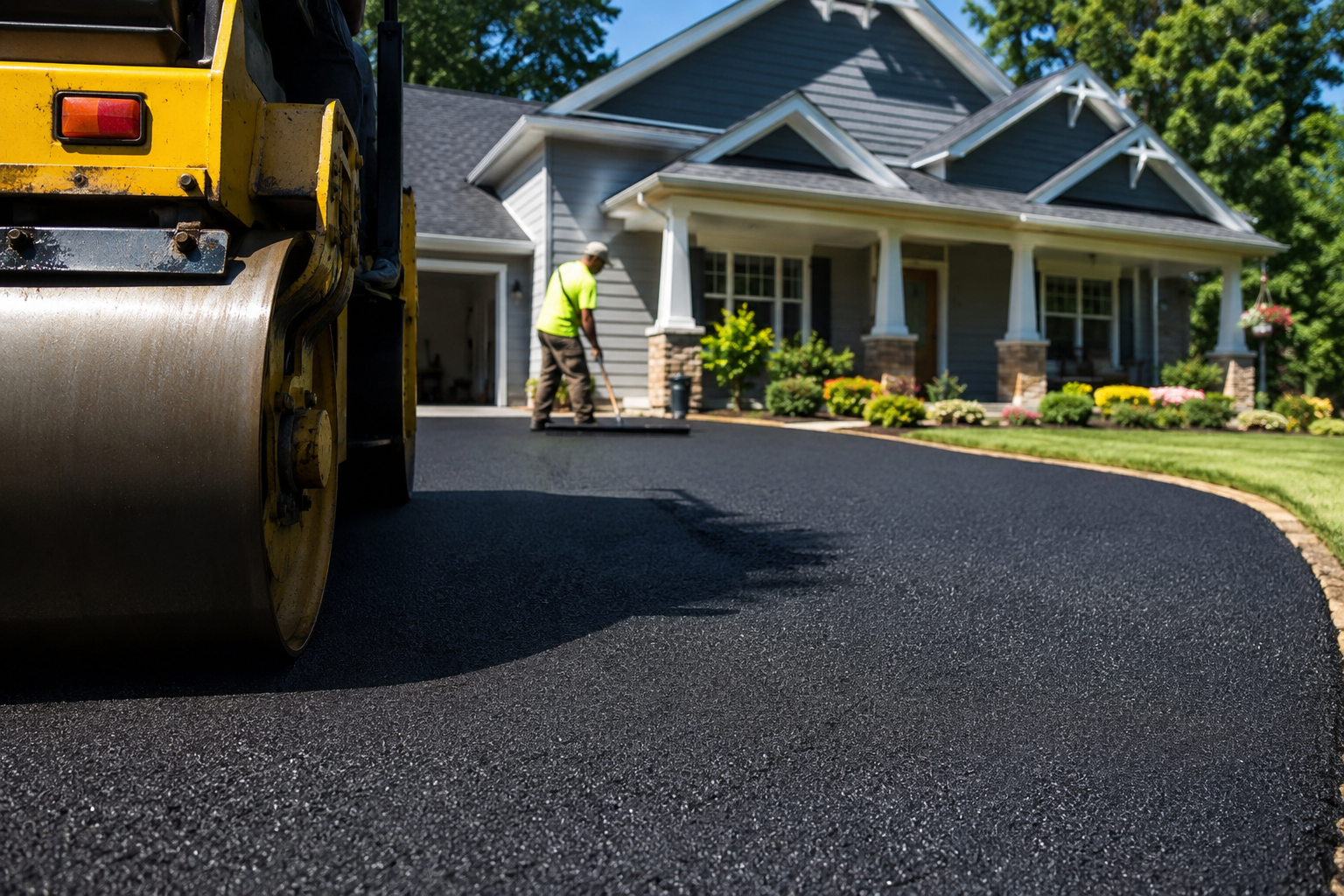
Asphalt is often considered a cost-effective option for homeowners who want a paved surface without the higher initial price associated with premium pavers. Current Florida estimates commonly place asphalt installation in the several-dollar-per-square-foot range, with more demanding projects costing substantially more.
Asphalt is flexible and can be a practical choice when installed over an appropriate base. However, Florida’s intense heat, ultraviolet exposure, heavy rainfall, and moisture conditions should be considered during planning.
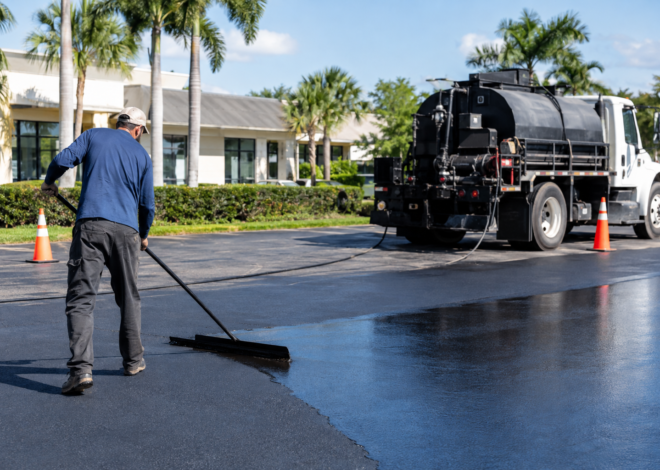
Maintenance should also be included in the long-term budget. Sealcoating and periodic maintenance can help protect asphalt from weathering and surface deterioration.
Concrete
Concrete generally costs more upfront than basic asphalt, but it can offer a long service life when properly designed and installed. Current Florida estimates commonly put basic concrete at approximately $6 to $12 per square foot, although decorative finishes and more complex specifications can increase the price.
The thickness of the slab, reinforcement, finish, site preparation, and driveway size all affect the final price.
Pavers
Concrete or brick pavers can provide an upscale appearance and allow homeowners to create customized patterns and designs. They are generally more expensive than basic asphalt or standard concrete because installation is labor intensive.
Florida estimates can place paver installation anywhere from around $10 per square foot into significantly higher ranges for premium materials and elaborate designs.
Although the upfront driveway paving cost can be higher, individual pavers can often be removed and replaced if a localized area settles or becomes damaged.
Base Preparation Can Change the Entire Estimate
A driveway is only as reliable as the surface beneath it. Installing paving material over a weak or poorly prepared base can result in cracking, settlement, rutting, or drainage problems.
Budget factors include size and base preparation.
Base preparation may involve removing unsuitable soil, excavating an existing driveway, adding aggregate, grading the site, compacting the base, and correcting areas affected by water.
Florida properties can have different soil and drainage conditions. A site with a stable, properly compacted base may require relatively little preparation, while a property with soft or moisture-sensitive areas can require additional work.
For asphalt projects, some Florida pricing guides specifically identify full-depth work over soft subgrades as substantially more expensive than a basic installation.
This is one reason two homeowners with driveways of exactly the same dimensions can receive very different quotes.
Drainage Is an Important Florida Consideration
Florida receives substantial rainfall, especially during the wet season and tropical weather events. Water needs a clear path away from the driveway and surrounding structures.
Poor drainage can contribute to erosion, settlement, standing water, and damage to the driveway surface. Depending on the property, a contractor may need to adjust grading, install drainage features, or modify the driveway’s slope.
Drainage improvements can increase the initial driveway paving cost, but they may prevent expensive repairs later.
Paver systems can also be designed with permeability and drainage in mind. Certain paver installations can help manage stormwater runoff, although the exact performance depends on the complete system and site design.
Removing an Existing Driveway Adds to the Cost
If you already have an old driveway, the contractor may need to remove and dispose of the existing material before installing the new surface.
Demolition costs can include breaking up concrete or asphalt, loading debris, hauling it away, and preparing the exposed area for the new driveway.
Some Florida cost estimates list tear-out and disposal as separate components of asphalt driveway pricing.
When comparing quotes, check whether removal is included. A quote that appears inexpensive may not include demolition, disposal, grading, or base replacement.
Location Can Affect Your Final Price
Driveway paving prices vary throughout Florida. Labor availability, material transportation, local regulations, property access, and regional demand can all influence the final estimate.
For example, pricing estimates for cities including Naples, Miami, Orlando, Tampa, Sarasota, and Jacksonville show differences in typical project costs.
Homeowners in Southwest Florida may want to look for an experienced naples paving company when their property is located in or around Naples. A local contractor is more familiar with area conditions, common paving materials, drainage concerns, and municipal requirements.
Permits and Local Requirements
Before beginning a driveway project, homeowners should determine whether a permit is required. Requirements can vary depending on the city or county, the scope of the work, and whether the driveway connects to a public right of way.
For example, North Miami’s driveway and paving permit checklist includes information about paving material, contractor licensing, insurance, surveys, dimensions, and engineering requirements for certain right-of-way work.
A replacement in the same footprint may have different requirements from a new driveway, widening project, or modification to a street approach. Always check with the appropriate local authority before construction begins.
How to Compare Driveway Paving Quotes
Getting multiple estimates can make it easier to understand the local driveway paving cost for your specific project. However, homeowners should compare more than the final dollar amount.
Ask each contractor to explain:
- Driveway dimensions and total square footage
- Paving material and grade
- Thickness of the installed material
- Base material and preparation
- Grading and drainage work
- Removal and disposal of existing pavement
- Equipment and labor
- Permit responsibilities
- Expected project timeline
- Warranty coverage
- Maintenance recommendations
A detailed quote makes it easier to identify differences between contractors. One company may provide a lower price because it includes less preparation, while another may include a more comprehensive base and drainage plan.
Ways to Manage Your Driveway Budget
Homeowners do not necessarily need to choose the cheapest material to control costs. Instead, focus on the features that provide the greatest long-term value.
Start by determining the required driveway size. Avoid unnecessary expansion unless you need additional parking or turning space. Choose a practical finish rather than paying for decorative features that do not provide meaningful value.
It can also be worthwhile to invest in proper grading and base preparation. Cutting corners beneath the driveway can create problems that are considerably more expensive to correct later.
Scheduling the project before an urgent failure can also give you more time to compare contractors and evaluate materials.
Is a Higher Driveway Paving Cost Worth It?
A higher initial price can make sense when it provides better preparation, stronger materials, improved drainage, or a longer expected service life.
For example, a basic asphalt driveway may have a lower initial price than decorative concrete or premium pavers. However, homeowners should consider maintenance, appearance, expected longevity, and repair requirements when comparing the total value.
The right driveway is not necessarily the cheapest option. It is the option that fits the property’s needs, the owner’s budget, and the expected use of the surface.
Final Thoughts
Understanding driveway paving cost before starting construction helps Florida homeowners make more informed decisions. Size, material, base preparation, drainage, demolition, labor, accessibility, and local requirements can all influence the final price.
Whether you are considering asphalt, concrete, or pavers, request detailed estimates and make sure each quote covers the same scope of work. If you are located in Southwest Florida, working with a reputable naples paving company can also help ensure that local site conditions and requirements are considered.
A professionally planned driveway is an investment in your property’s appearance, usability, and long-term value. Taking the time to understand the costs before construction begins can help you avoid surprises and choose a paving solution that meets your needs.
Frequently Asked Questions
How much does driveway paving cost in Florida?
The cost varies by material, size, preparation, and location. Current 2026 estimates put many Florida driveway projects within a broad range of roughly $2,500 to $10,000, while larger or more complex installations can cost more.
What is the cheapest driveway material in Florida?
Asphalt is commonly one of the more affordable paved driveway options. However, the lowest upfront price is not always the lowest long-term cost because maintenance, resurfacing, drainage, and repairs should also be considered.
What factors affect driveway paving cost?
Major factors include driveway size, paving material, base preparation, grading, drainage, demolition, labor, accessibility, material transportation, and local requirements.
Is asphalt a good choice for Florida driveways?
Asphalt can be a practical choice when it is properly designed, installed, compacted, and maintained. Florida’s heat and rainfall make proper base preparation and drainage especially important.
Does removing an old driveway increase the cost?
Yes. Existing pavement may need to be demolished, removed, transported, and disposed of before the new driveway can be installed. Ask contractors whether these services are included in their estimates.
Do I need a permit to pave a driveway in Florida?
Permit requirements vary by municipality and project type. New driveways, widening projects, and work affecting a public right of way may have additional requirements. Check with your local building or engineering department before beginning construction.
How can I reduce my driveway paving cost?
Accurate measurements, practical material selection, proper planning, and comparing multiple detailed quotes can help control costs. Avoid cutting corners on drainage and base preparation because these elements are important to the driveway’s long-term performance.
Should I hire a local paving contractor?
Hiring a local contractor can make it easier to account for local soil, drainage, permitting, material availability, and construction conditions. Homeowners should still verify licensing, insurance, experience, references, and the scope of work before hiring.