The Science of Social Flow: Rethinking the “After-Work Drink
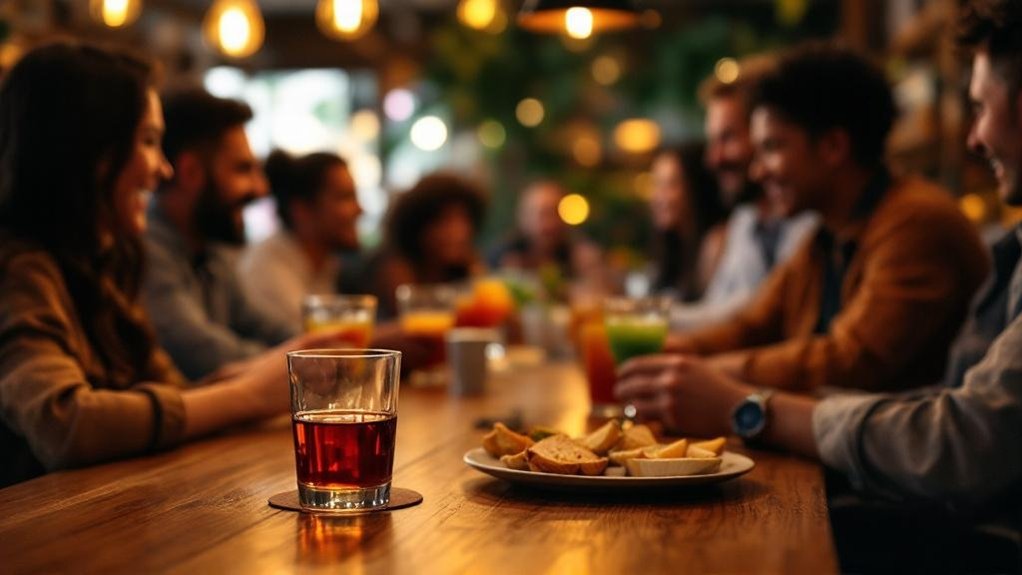
The concept of social flow highlights the significance of creating environments that foster meaningful interactions. Traditional after-work drinks often dominate socialization in professional settings. However, reliance on alcohol can limit genuine connections. Exploring healthier and more inclusive alternatives—such as alcohol-free mocktails, kombucha, functional beverages, and thc Drinks (where legal and appropriate)—may enhance workplace relationships. This shift could transform the way colleagues engage with one another. What new approaches could redefine these social interactions and cultivate a more inclusive culture?
Understanding Social Flow and Its Importance
The Role of Alcohol in Social Interactions
Alcohol often plays a significant role in shaping social interactions, serving as a social lubricant that can enhance the experience of social flow. In various cultures, drinking together fosters a sense of camaraderie, breaking down barriers and facilitating open conversation. People often find that moderate alcohol consumption reduces inhibitions, making it easier to connect with others, share ideas, and engage in meaningful dialogue. As individuals sip drinks, the atmosphere can become more relaxed, allowing for authentic exchanges and deeper connections. However, the reliance on alcohol for social cohesion may also lead to a cycle where individuals feel compelled to drink to fit in or enjoy social gatherings. Understanding this dynamic is essential for evaluating the true nature of social interactions in modern settings. Practicing mindfulness can offer an alternative approach to enhance social connections without the need for alcohol.
Healthier Alternatives to Traditional After-Work Drinks
While many individuals associate after-work gatherings with traditional alcoholic beverages, there are increasingly popular, healthier alternatives that can enhance social interactions without the negative effects of alcohol. Non-alcoholic cocktails, often referred to as “mocktails,” offer a creative blend of flavors that appeal to those seeking a revitalizing drink without alcohol’s drawbacks. Herbal teas and infused waters provide hydration and unique tastes, fostering conversation and relaxation. Additionally, kombucha, a fermented tea rich in probiotics, has gained traction for its health benefits and effervescent quality. Sparkling juices also serve as appealing options, combining the festive feel of a celebration with lower sugar content. These alternatives not only promote well-being but also create an inclusive atmosphere for all participants, regardless of their drinking preferences. Embracing sustainable practices by choosing these healthier drink options contributes to overall health and environmental protection.
The Impact of Environment on Social Engagement
Although the atmosphere greatly influences social engagement, many underestimate its role in shaping interactions. The physical setting, including lighting, decor, and noise levels, can markedly affect the dynamics of social gatherings. A cozy, well-lit environment may foster open communication and deeper connections, while a loud, chaotic space can hinder meaningful exchanges. Additionally, elements such as seating arrangements and accessibility contribute to the comfort level of participants. Research indicates that environments promoting relaxation and ease encourage individuals to engage more freely. Moreover, the presence of nature or artistic elements can enhance mood, making people more receptive to social interactions. Ultimately, the right environment can transform a simple gathering into a memorable experience, enhancing the potential for social flow. Achieving work-life balance allows individuals to approach social interactions with a more relaxed and open mindset.
Building Meaningful Connections Beyond the Bar
The environment of a bar may facilitate initial interactions, but true connections often extend beyond its walls. Engaging in activities outside the bar setting can deepen relationships and foster meaningful connections. Group outings, such as hiking, cooking classes, or volunteer events, provide opportunities for individuals to bond over shared experiences and interests. These experiences encourage collaboration and communication, forging stronger ties that transcend the superficiality of bar conversations. Additionally, initiating one-on-one meetups for coffee or lunch allows for more intimate discussions, enabling individuals to understand each other’s values and aspirations. By stepping outside the bar, people can cultivate genuine friendships and networks that are built on mutual respect and shared experiences, enriching both personal and professional lives. Embracing minimalism can further enhance these experiences by promoting a lifestyle that prioritizes experiences over possessions, allowing individuals to focus on meaningful interactions rather than material distractions.
The Science Behind Group Dynamics
Understanding group dynamics is essential for fostering connections during after-work interactions. Various mechanisms contribute to group cohesion, while social norms guide behavior within these settings. Additionally, the environment plays a critical role in shaping the overall experience, influencing how individuals engage and connect with one another.
Group Cohesion Mechanisms
When individuals come together in a group setting, the mechanisms that foster cohesion play an essential role in shaping interpersonal relationships and enhancing group dynamics. Key factors include shared goals, mutual support, and effective communication. Shared objectives create a sense of purpose, encouraging members to collaborate towards common outcomes. Meanwhile, emotional support among members fosters trust and belonging, vital for a positive group atmosphere. Effective communication, characterized by openness and active listening, facilitates the exchange of ideas and reduces misunderstandings. Additionally, rituals and traditions strengthen bonds by creating shared experiences, further solidifying group identity. Understanding these mechanisms aids in cultivating environments where individuals feel connected, ultimately enhancing collaboration and productivity within groups, such as those found in after-work social settings.
Influence of Social Norms
Social norms play a pivotal role in shaping group dynamics and influencing individual behavior within social settings. These unwritten rules dictate acceptable behaviors, guiding how individuals interact with one another. In the context of after-work drinks, social norms can compel employees to partake in communal activities, promoting bonding and a sense of belonging. Conversely, they may also pressure individuals who prefer abstinence to conform, leading to discomfort or resentment. Understanding these dynamics is essential, as they can greatly impact workplace culture and collaboration. Norms can foster inclusivity or exclusivity, depending on how they are embraced by the group. Ultimately, acknowledging and addressing these social norms can enhance the overall experience of social interactions and strengthen workplace relationships.
Impact of Environment
While the influence of social norms is significant, the environment in which group interactions occur can profoundly affect group dynamics as well. Physical spaces, such as bars or lounges, foster a relaxed atmosphere that encourages open communication and camaraderie. Conversely, more formal settings may inhibit free expression and lead to hierarchical interactions. Factors such as lighting, seating arrangement, and background noise also play vital roles; for instance, intimate lighting can promote closeness, while excessive noise may hinder conversation. Furthermore, the presence of familiar or unfamiliar elements within the environment can influence individuals’ comfort levels, impacting their willingness to engage. Consequently, recognizing the importance of the environment in shaping group dynamics is essential for fostering effective social interactions.
Activities That Foster Social Flow
How do certain activities create an environment conducive to social flow? Engaging in collaborative games, team sports, or creative workshops often enhances social interaction and fosters a sense of connection among participants. These activities encourage individuals to focus on shared goals, promoting teamwork and communication. Additionally, immersive experiences such as cooking classes or art sessions allow participants to express themselves while forming bonds with others. The element of play, combined with a non-competitive atmosphere, helps to lower barriers and encourage openness. Moreover, structured group discussions or brainstorming sessions can also facilitate social flow, as they invite diverse perspectives and promote active participation. Ultimately, these activities create a dynamic space where individuals can connect, share experiences, and enjoy collective engagement.
How to Transition From Drinks to Engaging Gatherings
After enjoying drinks in a relaxed setting, many individuals seek ways to deepen their connections through more engaging activities. Shifting from a casual atmosphere to a more interactive environment can be achieved by introducing games that encourage teamwork and conversation. Activities such as trivia, board games, or even group challenges can foster collaboration and ignite lively discussions. Additionally, organizing themed events or workshops, where participants can learn a new skill together, enhances engagement and strengthens relationships. Incorporating physical activities, such as bowling or mini-golf, also adds a fun, competitive element. Ultimately, the goal is to create shared experiences that go beyond mere socializing, allowing individuals to connect on a deeper level while enjoying each other’s company.
Reimagining Rituals: Creating New After-Work Traditions
As the workday ends, many individuals find themselves seeking new ways to bond with colleagues, prompting the exploration of innovative after-work traditions. Instead of the traditional drink, organizations are embracing activities that foster connection and collaboration. Options such as team-building exercises, cooking classes, or outdoor adventures encourage meaningful interactions. These rituals promote creativity, reduce stress, and strengthen workplace relationships. Virtual gatherings, art workshops, and mindfulness sessions also provide alternatives that cater to diverse interests. By reimagining after-work traditions, companies can cultivate a culture of engagement and inclusivity, enhancing overall workplace satisfaction. Ultimately, these new rituals not only replace the after-work drink but also contribute to a more cohesive and supportive work environment.
Frequently Asked Questions
What Are the Psychological Benefits of Socializing Without Alcohol?
Socializing without alcohol enhances mental clarity, fosters genuine connections, reduces anxiety, and promotes healthier communication. It encourages individuals to be present, improving emotional well-being and creating lasting memories without the impairments often associated with alcohol consumption.
How Can I Encourage Colleagues to Join Alternative Social Activities?
To encourage colleagues to join alternative social activities, one could suggest engaging events that promote inclusivity, such as team-building exercises, outdoor adventures, or cultural outings, emphasizing the enjoyment and bonding opportunities these experiences provide without alcohol.
Are There Specific Times When Social Flow Is More Easily Achieved?
Social flow is more easily achieved during relaxed, informal settings, particularly after work hours or during breaks. Additionally, weekends and special events often foster a more conducive atmosphere for engaging social interactions among colleagues.
What Role Does Music Play in Enhancing Social Interactions?
Music greatly enhances social interactions by creating a shared emotional experience, fostering connections among individuals. Its rhythmic patterns and melodies can stimulate positive moods, encouraging conversation, bonding, and a sense of belonging within social groups.
How Can Introverts Engage in Social Flow Effectively?
Introverts can engage in social flow effectively by choosing smaller, intimate settings, initiating one-on-one conversations, and focusing on shared interests. This approach fosters meaningful connections, allowing them to feel comfortable and engaged in social interactions.
Conclusion
To summarize, embracing the principles of social flow can transform workplace interactions by prioritizing meaningful engagement over traditional after-work drinks. By exploring healthier alternatives and fostering environments that encourage collaboration, organizations can cultivate stronger connections among colleagues. This shift not only enhances individual well-being but also promotes a culture of inclusivity and teamwork. Ultimately, reimagining social rituals can lead to more fulfilling relationships, enriching the overall workplace experience and driving collective success.